




Have you ever noticed your dog trembling during fireworks, pacing when left alone, or becoming overwhelmed during car journeys or vet visits? Anxiety in dogs is more common than many pet owners realise, and just like humans, dogs experience real chemical and neurological responses to stress.
Understanding what’s happening inside your dog’s brain can help you support them more effectively, naturally, and compassionately.
Why Dogs Experience Stress and Anxiety
Dogs are highly sensitive animals. Their brains are constantly processing sights, sounds, smells, routines, and emotional cues from their environment. When a dog perceives something as threatening or unsettling, the brain activates a stress response designed for survival.
This response begins in the amygdala, the emotional processing centre of the brain. Once triggered, the body releases stress hormones such as cortisol and adrenaline. Heart rate increases, muscles tense, and the nervous system shifts into “fight, flight, or freeze” mode.
While this reaction is useful during genuine danger, chronic stress or repeated anxiety triggers can affect a dog’s wellbeing, behaviour, sleep, digestion, and overall quality of life.
Common triggers include:
- Fireworks and thunderstorms
- Separation anxiety
- Car travel
- New environments
- Vet visits
- Loud noises
- Changes in routine
The Role of Neurotransmitters in Calm Behaviour
Inside the brain, tiny chemical messengers called neurotransmitters help regulate mood and behaviour. Three of the most important for relaxation and emotional balance are:
Serotonin
Often referred to as the “feel-good” neurotransmitter, serotonin helps regulate mood, emotional stability, and anxiety levels. Low serotonin activity is associated with nervous or reactive behaviour.
Dopamine
Dopamine supports motivation, focus, and emotional resilience. A healthy dopamine balance can help dogs cope better with stressful situations.
GABA (Gamma-Aminobutyric Acid)
GABA acts like the brain’s natural “brake pedal.” It slows excessive nervous system activity and promotes relaxation. When GABA activity is supported, dogs may feel calmer and less reactive.
How Natural Calming Ingredients Support the Brain
Many modern calming supplements are designed to support these natural brain pathways without causing sedation.
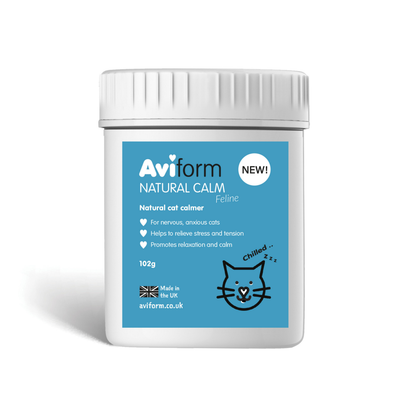
For example, Aviform Natural Calm Dog Calmer uses a blend of amino acids and botanical extracts selected to support relaxation and emotional balance naturally.
Key ingredients include:
- L-Tryptophan an amino acid involved in serotonin production, helping support balanced mood and calmer behaviour.
- L-Tyrosine supports dopamine production and may help dogs cope more effectively with stress.
- Lemon Balm Extract (Melissa officinalis) is traditionally used for calming support and believed to influence GABA activity in the brain.
- Passion Flower is a botanical ingredient widely recognised for its natural calming properties.
Unlike sedatives, these ingredients aim to support the brain’s normal calming mechanisms while allowing dogs to remain alert and responsive.
Why “Natural Calm” Doesn’t Mean “Sleepy”
One common misconception is that calming products should make a dog drowsy. In reality, the best calming support often works by helping regulate the nervous system, not by suppressing it.
When the brain’s neurotransmitters are balanced, dogs can remain emotionally steadier without losing energy, personality, or awareness.
This is particularly important for:
- Training sessions
- Travel
- Socialisation
- Competitive or working dogs
- Everyday household stress
The Gut-Brain Connection
Scientists are also learning more about the “gut-brain axis” in dogs. The digestive system and brain communicate constantly, and stress can directly affect digestion, while gut health may also influence mood and anxiety levels.
This is one reason nutritional support and daily supplementation are becoming increasingly popular among dog owners looking for long-term behavioural support.
When Should You Consider Calming Support?
Natural calming supplements may help dogs who:
- Become anxious during fireworks or storms
- Struggle with separation anxiety
- Show nervous pacing or whining
- Experience travel stress
- Become overstimulated in busy environments
- Need extra support during routine changes
Of course, persistent or severe anxiety should always be discussed with a veterinarian or qualified canine behaviourist.
Supporting Calmness Beyond Supplements
While supplements can be helpful, they work best as part of a wider calming strategy that includes:
- Consistent daily routines
- Positive reinforcement training
- Mental enrichment and exercise
- Safe, quiet spaces at home
- Gradual desensitisation to triggers
- Calm owner behaviour and reassurance
Final Thoughts
Your dog’s behaviour is deeply connected to brain chemistry, emotional processing, and nervous system balance. Anxiety isn’t “bad behaviour”, it’s a biological response.
By understanding the science behind calming, pet owners can make more informed decisions about supporting their dogs naturally and compassionately.
Products such as Aviform Natural Calm Dog Calmer are designed to work with your dog’s natural brain chemistry, helping promote relaxation and emotional balance during stressful moments, without sedation.
