







Bonfire Night can be an exciting evening for us, but for many dogs, fireworks can be frightening and stressful. Loud bangs, whistles and sudden flashes can leave dogs anxious, restless or looking for somewhere to hide.
The good news is that preparing before fireworks begin can make the evening easier to manage. From creating a safe space to adjusting walk times and introducing calming support, there are several practical steps you can take to help your dog feel more secure.
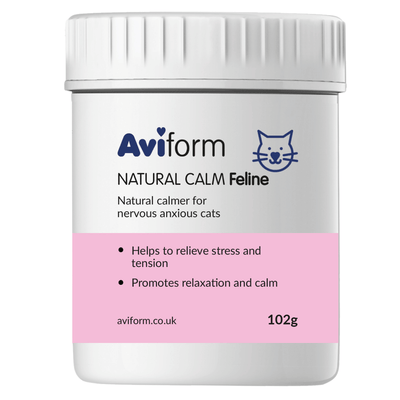
For dogs that become nervous during fireworks, Aviform’s Natural Calm Dog Calmer can also be incorporated into their routine. It’s formulated to support calmer, more relaxed behaviour without sedation, so your dog remains alert and responsive.
Here’s how to calm your dog during fireworks on Bonfire Night.
Why Are Dogs Scared of Fireworks?
Fireworks can be particularly difficult for dogs because they’re loud and unpredictable. Your dog has no way of knowing when the next bang will happen or where it’s coming from.
Signs that your dog may be worried can include pacing, hiding, whining, trembling or trying to escape. Some dogs may become more clingy, while others prefer to find somewhere quiet and be left alone.
How your dog responds will be individual to them, so pay attention to their behaviour and allow them to seek reassurance or space according to their preference.
1. Prepare Before Bonfire Night
Don’t wait until the fireworks have already started to make a plan.
Fireworks aren't limited to 5 November, so be prepared for displays during the surrounding days and weekends too.
If you know your dog is particularly sensitive to fireworks, consider what helped them in previous years and make preparations ahead of time.
If you're planning to introduce a calming supplement such as Natural Calm Dog Calmer, doing so before the most challenging evenings gives you an opportunity to establish it as part of their routine. Aviform says Natural Calm can be given daily and is designed for stressful situations, including fireworks and thunderstorms.
2. Take Your Dog for a Walk Before Dark
Try to exercise your dog earlier in the day, well before fireworks are likely to begin.
This gives them an opportunity to exercise and go to the toilet without being exposed to unexpected bangs while you're outside. Once fireworks are underway, keeping dogs safely indoors can also reduce the risk of them becoming frightened and trying to escape.
Keep your dog securely on a lead if there's any possibility that fireworks could start during your walk.
3. Create a Safe Space
Give your dog somewhere comfortable to retreat to if they become worried.
This could be a favourite bed, crate or quiet corner of the house. Add familiar bedding and make sure your dog can access the area easily.
If they choose to hide, allow them to do so rather than repeatedly coaxing them out. A comfortable den or hiding place can give a worried dog somewhere to retreat from the activity outside.
Ideally, create the space before Bonfire Night so it already feels familiar.
4. Close Curtains and Reduce Outside Noise
Before fireworks begin, close windows and draw the curtains or blinds.
This can help reduce both the noise and flashes entering your home. Familiar background sound from the television or radio may also help soften the contrast between quiet periods and sudden bangs outside.
Keep the volume comfortable rather than attempting to drown out fireworks with excessively loud music.
5. Consider Natural Calming Support
Some dogs may benefit from additional nutritional support during stressful situations.
Aviform’s Natural Calm Dog Calmer is a palatable powder that can be sprinkled onto your dog's food. It's designed to help reduce anxiety and nervous behaviour while promoting calm without sedative effects.
The formula includes L-Tryptophan, L-Tyrosine, Lemon Balm and Passion Flower. According to Aviform, it can be used before anticipated stressful events or incorporated into the daily routine for dogs experiencing ongoing nervousness.
Customer feedback on Aviform's website currently gives Natural Calm 4.7/5 from 44 reviews, with the review summary noting reports of more relaxed behaviour, including among dogs sensitive to loud noises such as fireworks. Individual results can vary.
6. Stay Calm and Keep Things Familiar
Try to make Bonfire Night feel as much like an ordinary evening as possible.
Keep feeding times and your normal home routine consistent where practical. Your presence can also provide reassurance, particularly if your dog normally likes to stay close to you.
If your dog wants attention, you can provide calm reassurance. Equally, if they would rather retreat to their safe space, allow them to do so.
Avoid punishing unusual behaviour caused by fear. A frightened dog isn't being deliberately difficult.
7. Make Sure Your Home Is Secure
A frightened dog may attempt to escape, even if this isn't something they'd normally do.
Before fireworks begin, check that doors, windows and garden access are secure. Be particularly careful when opening external doors while fireworks are going off.
It's also worth making sure your dog's identification and microchip information are up to date in case they do manage to get outside.
8. Give Them Something Familiar to Do
If your dog is relaxed enough to engage with you, familiar activities can provide a useful focus.
Their favourite toy, a food puzzle or another familiar activity may help occupy them while fireworks are taking place.
Don't force interaction if your dog would rather hide. Follow their behaviour and let them choose what makes them most comfortable.
9. Think Ahead to Next Year
If your dog has a significant fear of fireworks, don't wait until next Bonfire Night to address it.
Gradual sound desensitisation can be used well in advance of firework season to help some dogs become more accustomed to firework noises. This needs to be introduced carefully and progressively rather than playing loud firework recordings shortly before Bonfire Night.
For dogs experiencing severe or persistent fear, speak to your vet. They can advise you on an appropriate plan and whether additional behavioural or medical support is needed.
Bonfire Night Checklist for Dog Owners
Before the fireworks start:
-
Walk your dog earlier in the day
-
Create a comfortable, familiar safe space
-
Close windows, curtains and blinds
-
Use familiar background noise
-
Make sure doors and garden access are secure
-
Check identification and microchip details
-
Keep your dog's normal routine where possible
-
Plan any calming support in advance
-
Make sure fresh water is available
-
Speak to your vet if your dog experiences significant distress
Helping Your Dog Through Firework Season
When it comes to calming a dog during fireworks, preparation can make a real difference.
Get walks completed before displays begin, create a comfortable place for your dog to retreat to and reduce the noise and flashes entering your home. Most importantly, pay attention to what your individual dog needs.
For dogs that may benefit from additional nutritional calming support, Aviform’s Natural Calm Dog Calmer is formulated to help reduce anxiety and nervous behaviour while supporting calm without sedation.
Help take the edge off firework season.